
"60mm roaster tube"
30000 article(s) found

Introduction to the Variety characteristics of Colombian Coffee Flavor description treatment
Colombian Coffee Flavor description treatment method Variety characteristics Colombian Pavilion official Meriscio Prada told Xinhua that the venue held a two-week coffee exhibition for visitors to taste Colombian coffee and introduce and promote Colombian coffee and coffee culture to tourists from China and all over the world. Participated in the preparatory work of the Columbia Pavilion

Introduction of Coffee Flavor description and processing methods in Hope Manor in Colombia
The main varieties of Colombian coffee are small grains of coffee. Plants are small trees or large shrubs, 5-8 m tall, usually much branched at base; old branches gray-white, nodes dilated, young branches glabrous, compressed. Leaves thinly leathery, ovate-lanceolate or lanceolate, 6-14 cm long and 3.5-5 cm wide, tip long acuminate, acuminate part 10-15 mm long, base cuneate or slightly obtuse, rarely rounded, entire or

How many degrees of water is suitable for Colombian coffee beans? introduction to the area of the manor.
The main varieties of Colombian coffee are small grains of coffee. Plants are small trees or large shrubs, 5-8 m tall, usually much branched at base; old branches gray-white, nodes dilated, young branches glabrous, compressed. Leaves thinly leathery, ovate-lanceolate or lanceolate, 6-14 cm long and 3.5-5 cm wide, tip long acuminate, acuminate part 10-15 mm long, base cuneate or slightly obtuse, rarely rounded, entire or

Colombia Hui Lan coffee beans grinding graduation processing method taste variety origin introduction
Colombia coffee varieties are mainly small coffee. Plants are small trees or large shrubs, 5-8 meters high, usually multi-branched at the base; old branches are gray, nodes expand, young branches glabrous, compressed. Leaves thinly leathery, ovate-lanceolate or lanceolate, 6-14 cm long, 3. 5 -5 cm wide, apex long acuminate, acuminate part 10-15 mm long, base cuneate or slightly obtuse, rarely rounded, entire or rounded

Dutch coffee roaster Giesen W25 Coffee Roaster
Giesen W25 Our newest coffee roaster is now available: the Giesen W25. More information about this roaster will be available soon. Should you have any questions about it in the meanwhile, please do not hesitate to contact us. Automatic air

Introduction to the flavor description of Colombian Yi coffee and the characteristics of varieties
The main varieties of Colombian coffee are small grains of coffee. Plants are small trees or large shrubs, 5-8 m tall, usually much branched at base; old branches gray-white, nodes dilated, young branches glabrous, compressed. Leaves thinly leathery, ovate-lanceolate or lanceolate, 6-14 cm long and 3.5-5 cm wide, tip long acuminate, acuminate part 10-15 mm long, base cuneate or slightly obtuse, rarely rounded, entire or

Flavor characteristics of Yunnan small-grain Coffee introduction to varieties of Grinding Calibration by treatment method in Manor area
The Flavor characteristics of Yunnan small Grain Coffee Variety introduction straight branches are used in cutting materials, not a branch, because the new plants grown after cutting can only grow creeping and cannot grow into straight coffee trees. The cuttings should be cut with green uncorked, fully aged leaves and robust straight terminal buds, but not semi-corked and already corked.

Species Morphology and Variety Grade History of Colombian Coffee
The main varieties of Colombian coffee are small grains of coffee. Plants are small trees or large shrubs, 5-8 m tall, usually much branched at base; old branches gray-white, nodes dilated, young branches glabrous, compressed. Leaves thinly leathery, ovate-lanceolate or lanceolate, 6-14 cm long and 3.5-5 cm wide, tip long acuminate, acuminate part 10-15 mm long, base cuneate or slightly obtuse, rarely rounded, entire or

Introduction to the flavor and taste of Colombian coffee with boutique coffee bean manor
The main varieties of Colombian coffee are small grains of coffee. Plants are small trees or large shrubs, 5-8 m tall, usually much branched at base; old branches gray-white, nodes dilated, young branches glabrous, compressed. Leaves thinly leathery, ovate-lanceolate or lanceolate, 6-14 cm long and 3.5-5 cm wide, tip long acuminate, acuminate part 10-15 mm long, base cuneate or slightly obtuse, rarely rounded, entire or

Introduction to the production areas of sweet Santa Rita Manor Coffee Grinding scale treatment
The suitable climate in Colombia provides a real natural pasture for coffee. Coffee trees in Colombia are mainly cultivated in the Andes, on steep slopes about 1300 meters above sea level, where the annual temperature is about 18 degrees Celsius, annual rainfall is 2000 to 3000 millimeters, latitude 1-11 15 north, longitude 72-78 west, and the specific range of elevation can exceed 2.000 meters. By
Introduction to the Andean Mountains in the main cultivated areas of coffee trees in Colombia
The main varieties of Colombian coffee are small grains of coffee. Plants are small trees or large shrubs, 5-8 m tall, usually much branched at base; old branches gray-white, nodes dilated, young branches glabrous, compressed. Leaves thinly leathery, ovate-lanceolate or lanceolate, 6-14 cm long and 3.5-5 cm wide, tip long acuminate, acuminate part 10-15 mm long, base cuneate or slightly obtuse, rarely rounded, entire or

Introduction to the description of Manor Flavor by Columbia Coffee Bean Grinding scale
After maturity, Colombian coffee beans have a reputation for flawlessness and elegance like jade in the jade world, with heavy particles, rich nutrition, rich flavor, soft taste, smooth taste and excellent balance; the color is as clear and transparent as emerald emerald; when it comes to the mouth, it makes people uncontrollably play with the emerald.

Colombia coffee history trace species morphology
The history of coffee cultivation in Colombia can be traced back to the Spanish colonial era in the 16th century. There are also many sayings about the history of coffee in Colombia: First, it is said that it came from the Caribbean island of Haiti via Salvador in Central America. Second, coffee beans were first introduced into Colombia in 1808 by a priest from the French Antilles via Venezuela. one of
Description of taste and flavor of coffee beans produced in Colombian Hope Manor by variety treatment
Colombia hopes to describe the taste and flavor of the vineyard coffee beans produced by the variety treatment method. Colombia's suitable climate provides a real natural pasture for coffee. Coffee trees in Colombia are mainly cultivated in the Andes, on steep slopes about 1300 meters above sea level, where the annual temperature is about 18 degrees Celsius, annual rainfall is 2000 to 3000 millimeters, and latitude 1-1.
Introduction of coffee utensils roaster
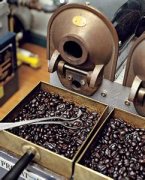
The roaster is mainly divided into four types: direct fire type, semi-hot air direct fire type, hot air type and electric type. 1. Direct fire is the earliest baking tool, that is, the raw beans are roasted by fire and then transferred to the drum. The built-in motor keeps running the drum and stirring the coffee beans in the drum, trying to make each coffee bean come into contact with the hot iron evenly to achieve the goal of balanced roasting.

Introduction to Hope Manor, the main variety of Colombian coffee
One: it is said to come from the sea island of the Caribbean and from El Salvador in Central America. Second: in 1808, a priest introduced coffee beans to Colombia for the first time from the French Antilles via Venezuela. One of them is that Colombia's first coffee seeds were imported from Venezuela through the province of Santander. [1] third: the earliest coffee cultivation in Colombia

Colombian coffee storage method unique flavor
The history of coffee cultivation in Colombia can be traced back to the Spanish colonial era in the 16th century, and there are many theories about the history of coffee in Colombia: one: it is said to come from the island of Haiti in the Caribbean and from El Salvador in Central America. Second: in 1808, a priest introduced coffee beans to Colombia for the first time from the French Antilles via Venezuela. One of them

The History of Colombian Coffee in the Caribbean Island
History traces back to Colombian coffee brand Colombian coffee brand (9) the history of coffee cultivation in Colombia can be traced back to the Spanish colonial era in the 16th century, and there are many theories about the history of coffee in Colombia: one: it is said to come from the island of the Caribbean and by sea through El Salvador in Central America. Second: in 1808, a priest came from French Ann.

Introduction of roaster roaster is mainly divided into four categories
The roaster is mainly divided into four types: direct fire type, semi-hot air direct fire type, hot air type and electric type. 1. Direct fire is the earliest baking tool, that is, the raw beans are roasted by fire and then transferred to the drum. The built-in motor keeps running the drum and stirring the coffee beans in the drum, trying to make each coffee bean come into contact with the hot iron evenly to achieve the goal of balanced roasting.

Colombian coffee growing environment Colombian coffee variety grade
Colombian coffee grades are divided into several Colombian coffee-growing histories, dating back to the Spanish colonial era in the 16th century, and there are many theories about the history of coffee in Colombia: one: it is said to come from the island of the Caribbean and from El Salvador in Central America. Second: in 1808, a priest transferred coffee beans from the French Antilles to Venezuela.